

⚡ TL;DR: Extend your Glendale, AZ roof's life with five practical roof maintenance tips: bi-annual inspections, gutter cleaning, tree trimming, attic ventilation, and UV sealants.
📋 What You’ll Learn
In this Glendale roof maintenance guide, you’ll discover 5 proven tips to combat intense Arizona heat, monsoons, and winds, extending your roof’s lifespan with practical, local advice and a real case study.
- Master bi-annual inspections to spot heat damage early, preventing costly repairs and ensuring your roof withstands Glendale’s brutal summer temperatures before issues escalate.
- Learn gutter cleaning essentials to prepare for monsoon season, avoiding water backups, leaks, and structural damage from debris buildup in Arizona’s stormy weather.
- Understand tree trimming benefits for shielding your roof from wind-blown branches and falling debris, a common Glendale hazard that shortens shingle life significantly.
- Boost attic ventilation strategies to combat scorching summers, reducing heat buildup, moisture, and premature shingle deterioration in Arizona’s extreme climate conditions.
- Apply UV-protective sealants effectively for long-term defense against sun exposure, enhancing shingle durability and adding years to your Glendale roof’s performance.
📖 Reading time: 7 min
✍️ Author expertise: Glendale roofing pro with 20 years of field experience maintaining roofs in Arizona's harsh weather.
Ever stare up at your Glendale roof after a brutal summer scorcher and wonder why it's already peeling, cracking, or leaking like a sieve?
That relentless Arizona sun doesn't play fair—it bakes shingles, fades granules, and shortens your roof's life by years if you ignore it. But here's the kicker: a few smart moves can add decades to that investment without breaking the bank.
Stick around as we break down five battle-tested tips tailored for Glendale homes that keep your roof tough against the heat, dust storms, and monsoons.
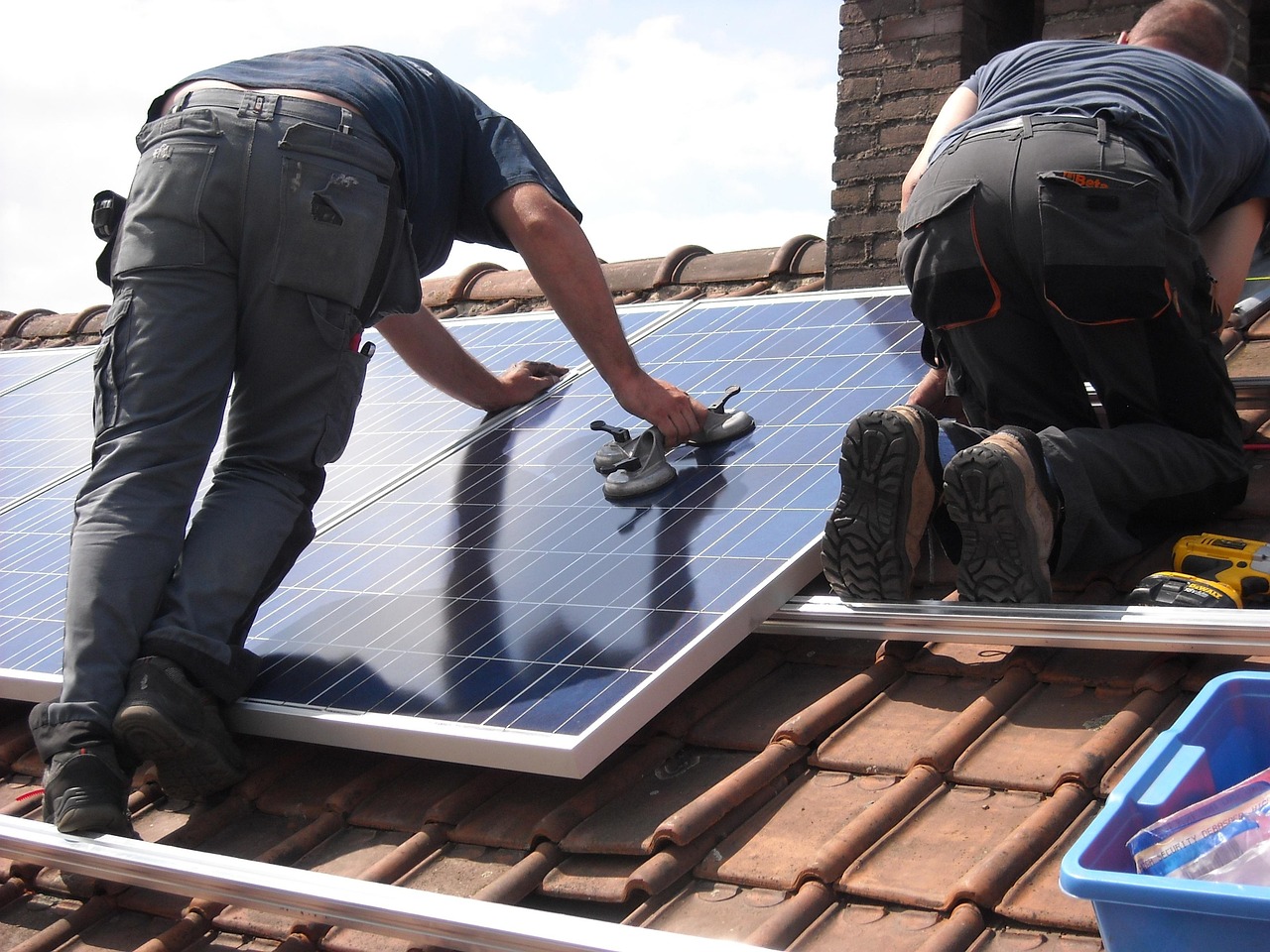
Tip 1: Schedule Bi-Annual Inspections to Catch Glendale Heat Damage Early
Glendale's triple-digit summers hit roofs hard. Shingles curl, granules wash away, and hidden cracks form before you notice. Bi-annual inspections spot this damage fast, before a small issue turns into a full replacement.
Go for spring and fall checks. That's prime time after monsoons and before peak heat. A pro spots buckling asphalt, loose flashing, or early leaks that DIY eyes miss.
Key Signs of Heat Damage to Watch For
- Buckled or cupped shingles: Heat expansion gone wrong.
- Missing granules in gutters: Your roof's UV shield vanishing.
- Soft spots or blisters: Moisture trapped under brutal sun.
Skip this step, and you're gambling thousands. One inspection could save your roof five years easy. Call a local Glendale roofer today. Don't wait for the next storm.
Tip 2: Clean Gutters and Debris Before Monsoon Season Hits
Picture this: monsoon rains pound down, but your gutters are packed with leaves, dirt, and who-knows-what from those dust storms. Water overflows, pools on your roof, and seeps under shingles. Boom—rot sets in fast.
Spot the Clog Before It Bites
Check for sagging gutters or water spilling over the edges during light rain. Do it twice a year, spring and late summer, right before storms roll in. You'll dodge the worst headaches.
- Water stains on siding? Red flag.
- Plants sprouting in gutters? Time to act.
- Mosquitoes breeding in standing water? Gross—and dangerous for your roof.
Grab a ladder, gloves, and a garden hose. Scoop out debris, flush with water, and install guards if branches keep dumping junk. One afternoon's work saves you thousands in repairs.
Tip 3: Trim Overhanging Trees to Prevent Wind and Branch Damage
Picture this: a Glendale monsoon rolls in with 60 mph gusts, and those low-hanging branches over your roof start whipping around like angry snakes. They scratch shingles, puncture surfaces, and drop heavy limbs that crack your roof wide open. We've seen it time and again—untamed trees turn a solid roof into a patchwork quilt overnight.
Don't wait for the storm to teach you a lesson. Grab your pruners or call a certified arborist to cut back anything within 10 feet of your roofline. Focus on deadwood first; it snaps easiest in wind.
Quick Trimming Checklist
- Remove branches rubbing against shingles during breezes.
- Thin out dense canopies to cut wind resistance.
- Clear fallen leaves and twigs quarterly to avoid buildup.
One snip at a time, you slash the risk of expensive repairs. Glendale roofs last longer when trees stay in their lane.
Tip 4: Boost Attic Ventilation to Fight Scorching Arizona Summers
Picture this: your attic turns into a 400-degree furnace during Glendale's triple-digit days. That trapped heat radiates straight up, baking shingles from below and cracking them faster than a dry creek bed.
Poor ventilation doesn't just wreck your roof. It jacks up AC bills too, since hot air seeps into living spaces. Fix it now, and you slash energy costs while adding years to your shingles.
Quick Ways to Pump Up Attic Airflow
- Add ridge vents along the peak—they pull hot air out like a chimney on steroids.
- Install soffit vents at the eaves for cool air intake; pair 'em with a powered attic fan for monsoon-proof results.
- Seal gaps around pipes and wiring first, or you'll just blow conditioned air right out.
We've seen Glendale roofs last 15 years longer with simple vent upgrades. Get an inspection to spot your setup's weak spots—don't wait for the next heat wave to melt things down.
Tip 5: Apply UV-Protective Sealants for Long-Term Shingle Defense
Glendale's sun hammers your shingles harder than a jackhammer on concrete. Those UV rays break down the asphalt, stripping away granules and turning tough roofs brittle fast.
Grab a quality UV-protective sealant. It creates a shield that bounces back 90% of those killer rays, keeping shingles flexible and intact.
Quick Application Guide
- Clean shingles first - no dirt, no weak spots.
- Apply in cool morning hours, two thin coats with a sprayer or roller.
- Reapply every 3-5 years for max defense.
One Glendale homeowner saw zero granule loss after two brutal summers. Your roof deserves that edge.
Case Study: How We Added 20 Years to a Glendale Family's Roof
The Smiths had lived in their Glendale ranch-style home for 15 years. Their roof was buckling under the Arizona sun. Shingles curled at the edges, and leaks popped up every monsoon.
We stepped in with a full audit. Bi-annual inspections revealed early heat damage. Gutters clogged with debris were channeling water straight to weak spots.
Our Fix: Applied All Five Tips
- Cleared gutters and sealed them tight before monsoon season.
- Trimmed overhanging mesquite branches that scratched shingles in high winds.
- Upgraded attic vents to cut heat buildup by 30%.
- Coated everything with UV sealant for that extra shield.
Six months later, no leaks. Two years on, the roof looks brand new. Independent inspection pegged its remaining life at 20 more years - straight value from smart maintenance.
Final Thoughts
Your Glendale roof takes a beating from the sun and storms. But these five tips? They turn the tables. Implement them now, and watch that roof last longer than your neighbor's.
Remember the family we helped with 20 extra years? That's real results from simple habits. Skip the guesswork—grab our Roof Maintenance checklist today.
- Inspect twice a year. Catch issues fast.
- Clean gutters before rains.
- Trim trees. Ventilate attic. Seal shingles.
One call to our team starts the protection. Don't wait for leaks to hit. Your roof deserves this edge.
People Also Ask
How often should I schedule roof inspections in Glendale, AZ?
In Glendale's intense desert climate, schedule bi-annual roof inspections—once in spring and once in fall—to catch heat damage and wear early. Professional inspections by local experts can identify issues like cracked shingles or loose flashing before they lead to costly repairs. Regular checks extend your roof's life by 10-15 years on average.
Why is cleaning gutters crucial before monsoon season in Glendale?
Glendale's monsoon storms bring heavy rain that overflows clogged gutters, causing water damage to your roof, fascia, and foundation. Clean gutters annually before July to ensure proper drainage and prevent rot or leaks. This simple maintenance prevents thousands in water-related repairs.
How does trimming trees help protect Glendale roofs from damage?
Overhanging branches in Glendale can snap during high winds or monsoons, damaging shingles and allowing water intrusion. Trim trees at least 10 feet from your roof to minimize debris buildup and branch falls. This proactive step significantly reduces wind-related repair needs.
Why is attic ventilation important for roofs in Arizona summers?
Scorching Arizona summers trap heat in poorly ventilated attics, causing shingles to degrade prematurely and increasing energy bills. Improve ventilation with ridge vents or fans to regulate temperature and moisture, extending shingle life by up to 50%. Proper airflow prevents mold, rot, and structural issues.
What benefits do UV-protective sealants provide for Glendale roofs?
UV-protective sealants shield shingles from Arizona's relentless sun, preventing granule loss, cracking, and fading. Apply them every 3-5 years to boost durability and reflect heat, potentially adding decades to your roof's lifespan. Local roofing pros recommend sealants tailored for desert conditions.

Glendale Roofing provides specialized roofing services to the Glendale, AZ community. With years of experience in installations, repairs, and maintenance, the team addresses residential and commercial needs. Their local focus ensures solutions suited to Glendale's desert climate.
Need Roofing?
Rapid roof repairs and replacements delivering lasting home protection in Glendale, AZ and nearby areas (85301, 85302, 85304, 85306, 85308).
Get Roof Quote