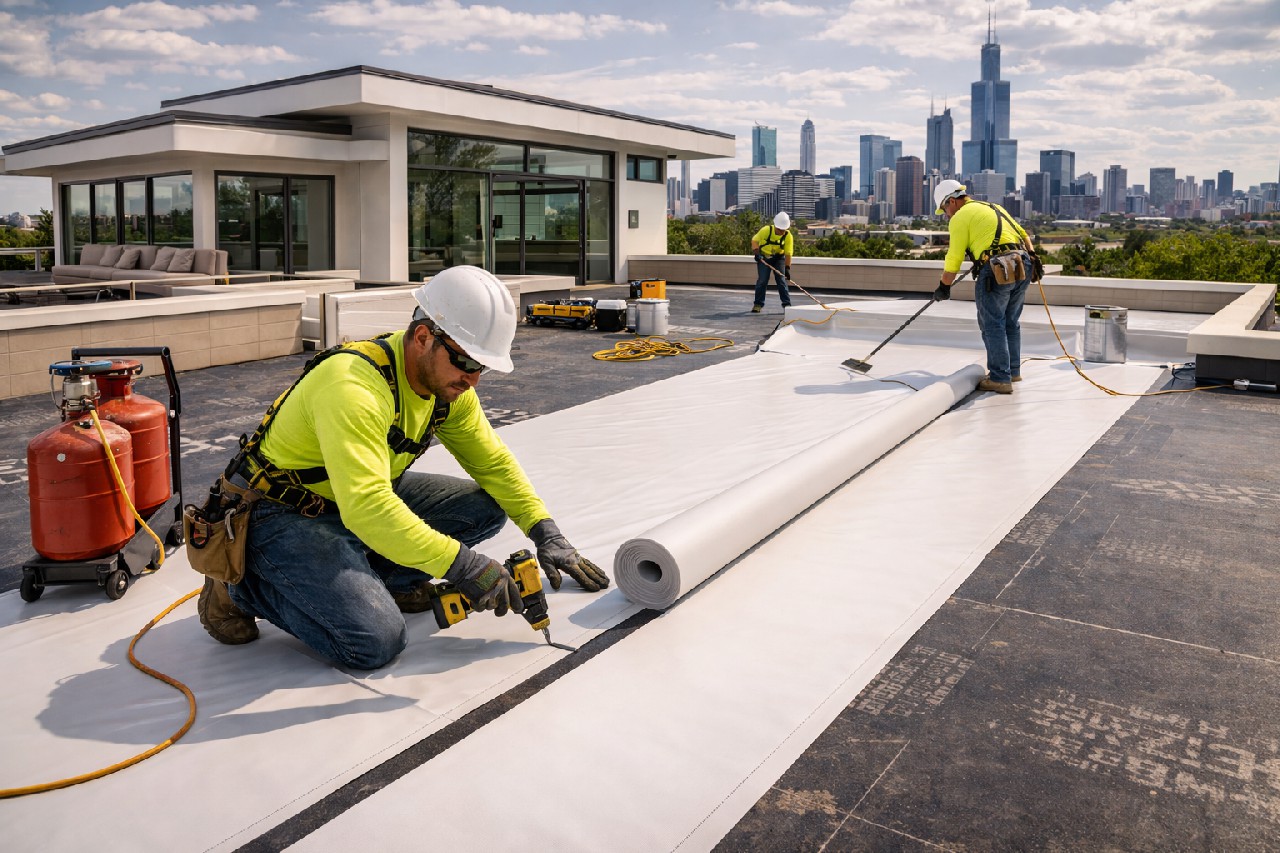


⚡ TL;DR: Before your Glendale roof inspection, learn to distinguish real damage from minor weather effects with simple signs and checklists to avoid unnecessary repairs and save money.
📋 What You’ll Learn
In this eye-opening guide to Glendale roof inspections, you’ll uncover truths about non-urgent damage, local weather tricks, self-checks, checklists, and strategies to save thousands on unnecessary repairs.
- Uncover why not all damage needs urgent fixes to avoid panic-driven spending and focus on real threats in Glendale’s unique roofing challenges before your inspection.
- Grasp how sun and monsoons mislead homeowners by mimicking serious issues, helping you differentiate weather wear from costly problems during your pre-inspection review.
- Spot hidden vs. genuine roof damage signs yourself with five key indicators, empowering smarter questions for inspectors and preventing overpriced solutions.
- Master a simple pre-inspection checklist that saves thousands by preparing your roof data, budget, and red flags for maximum inspection value.
- Learn from a $15K Glendale savings case plus red flags to ask about, ensuring long-term roof health without wasteful replacements.
📖 Reading time: 7 min
✍️ Author expertise: Glendale roofer with 20+ years of hands-on inspections in AZ's brutal sun and storms.
Ever stared at your roof after a brutal Glendale monsoon, spotting cracks that scream trouble? You grab the phone for an inspection, convinced you're playing it smart. Wrong move – most folks charge ahead blind, handing roofers a blank check for repairs they could've dodged.
Here's the gut punch: ignoring this single truth before the pros arrive dooms nine out of ten Glendale homes to unnecessary costs. Your scorching sun and pounding rains hide damage that explodes without warning.
Ready to flip the script and protect your wallet? Let's dive into the one fact you must know first.
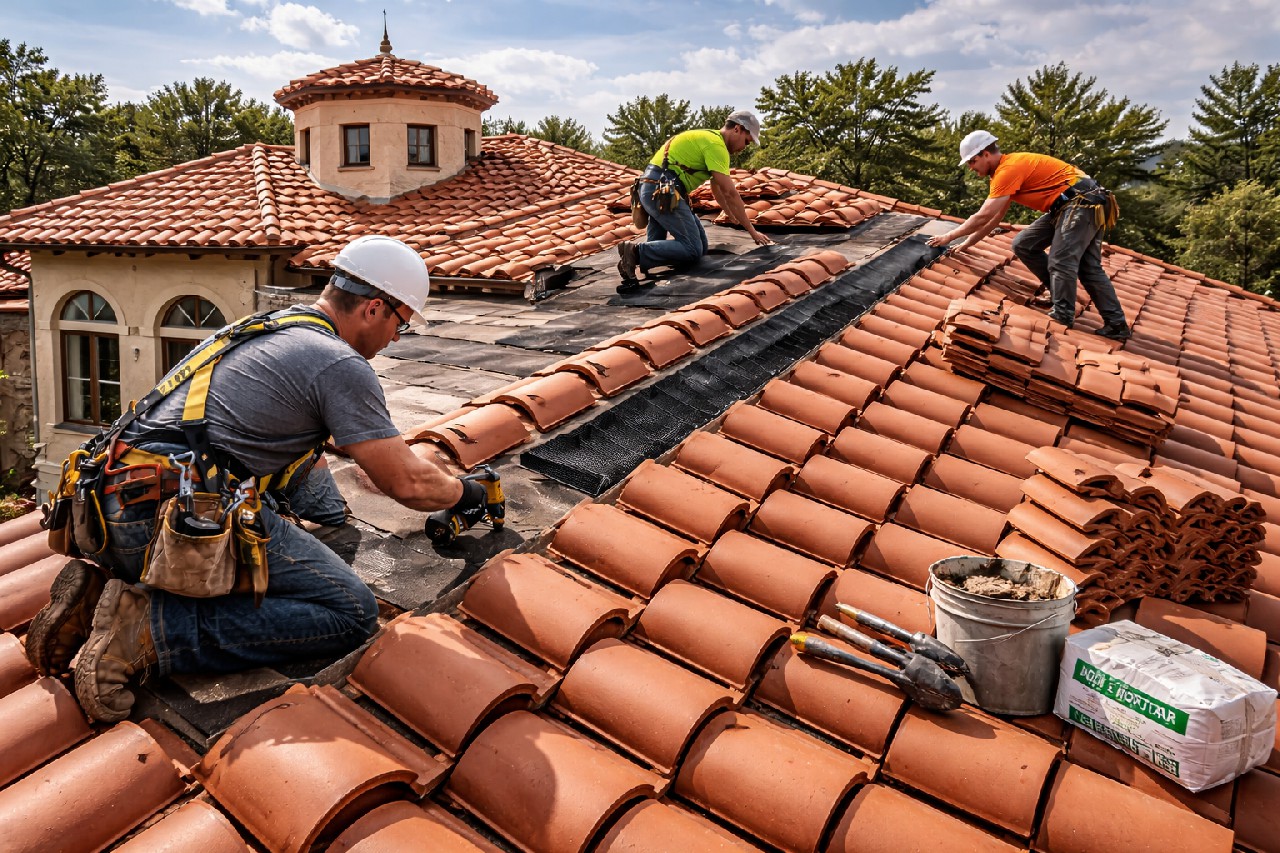
The Shocking Truth: Not All Roof Damage in Glendale Requires Immediate Repair
Picture this: You spot alligatoring on your shingles after a dust storm. Those cracks look nasty, right? But here's the kicker - most of that is just cosmetic wear from Glendale's brutal UV rays, not a structural killer.
True damage threatens leaks or collapse. Superficial stuff? It might last years without a dime spent. Rush in blind, and you're forking over cash for fixes that buy you nothing.
Quick Test: Cosmetic or Catastrophic?
- Cracks under 1/8 inch wide: Often sun-baked, no big deal.
- Granules in gutters: Normal shedding, not doom.
- Slight curling edges: Monitor, don't panic-replace.
Spot the difference yourself. It slashes repair bills by half before the inspector even shows.
Why Glendale's Extreme Sun and Monsoons Fool Even Seasoned Homeowners
Glendale's sun doesn't just bake your roof. It slams it with UV rays that chew through shingles like acid. You see a surface that's intact, but underneath? Granules vanish, materials turn brittle fast.
Monsoon season hits like a freight train. Winds rip loose bits, hail punches dents you barely notice. Water sneaks in cracks widened by that endless heat, pooling where you can't spot it.
Sun + Storms = Sneaky Disaster
- Sun weakens asphalt shingles over years - no cracks show till boom.
- Monsoons deliver the knockout punch with hidden granule loss.
- Result? Leaks start small, bills skyrocket later.
Seasoned locals swear their roof looks solid post-storm. Truth is, these forces team up to mask real threats. Spot the combo early, or pay big.
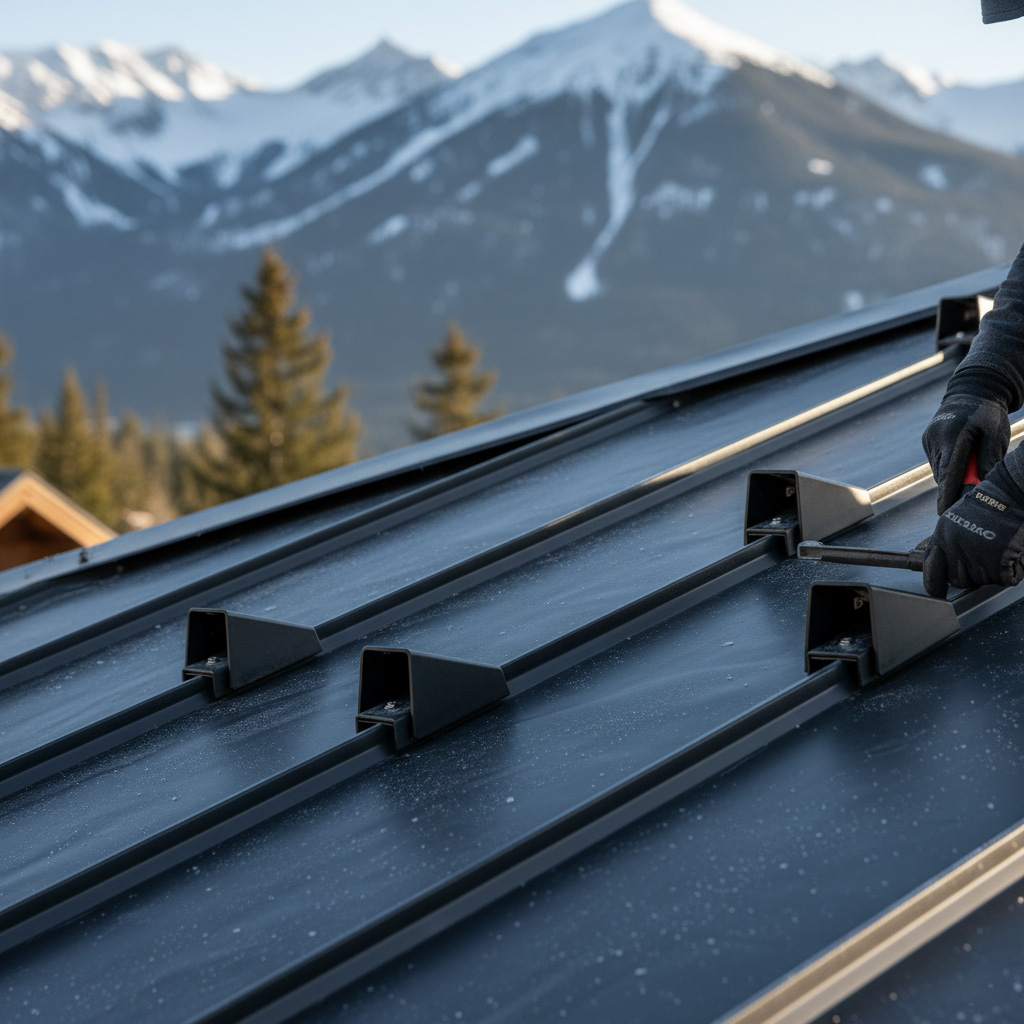
5 Key Signs of 'Hidden' vs. Real Roof Damage You Can Spot Yourself
Grab binoculars or climb a ladder safely. Spot these five signs before the inspector arrives. You'll separate scary cosmetics from wallet-killing threats Glendale's sun and storms throw at you.
Here's the breakdown. Check each one quick.
- Granule loss in gutters. Light scattering? That's normal from relentless AZ sun beating down shingles yearly. Piles like black sand? Real erosion means your barrier's crumbling fast.
- Shingle cracks. Thin hairlines from heat expansion? Hidden wear, monitor it. Wide splits over an inch? Real invitation for monsoon water to rot your decking.
- Curling or cupping edges. Slight lift on a few? Aging grace under sun stress, no sweat. Domino-like warping across sections? Wind-whipped real damage begging for replacement patches.
- Nail pops or loose tabs. One or two popping up? House settling, harmless hidden quirk. Clusters everywhere? Structural shift screaming real instability.
- Attic discoloration vs. stains. Faint yellow spots? Could be hidden condensation. Dark streaks or soft wood? Real leak proof, mold party starting now.
Your Pre-Inspection Checklist: Simple Steps to Save Thousands
Stop. Before you call in the inspector, arm yourself with this quick checklist. It takes 30 minutes tops, but spots the fakes from real threats – slashing your bill right off the bat.
Grab Your Phone and Hit the Ground
- Snap pics of your entire roofline from the street. Zoom in on edges, valleys, and any dips.
- Check gutters: Overflowing gunk? That's a red flag for poor drainage, not always roof failure.
- Scan for curled shingles or bald spots – common in Glendale's bake-and-soak cycles.
These shots become your ammo. Show the inspector upfront, and watch them skip the upsell games.
Head Inside – Attic Recon is Gold
- Flashlight time: Hunt for dark streaks or wet insulation on rafters.
- Feel for soft spots in ceilings below – push gently, no climbing needed.
- Note any musty smells or daylight peeking through vents.
Log it all in notes. This intel flips you from desperate homeowner to sharp negotiator, dodging thousands in hype repairs.
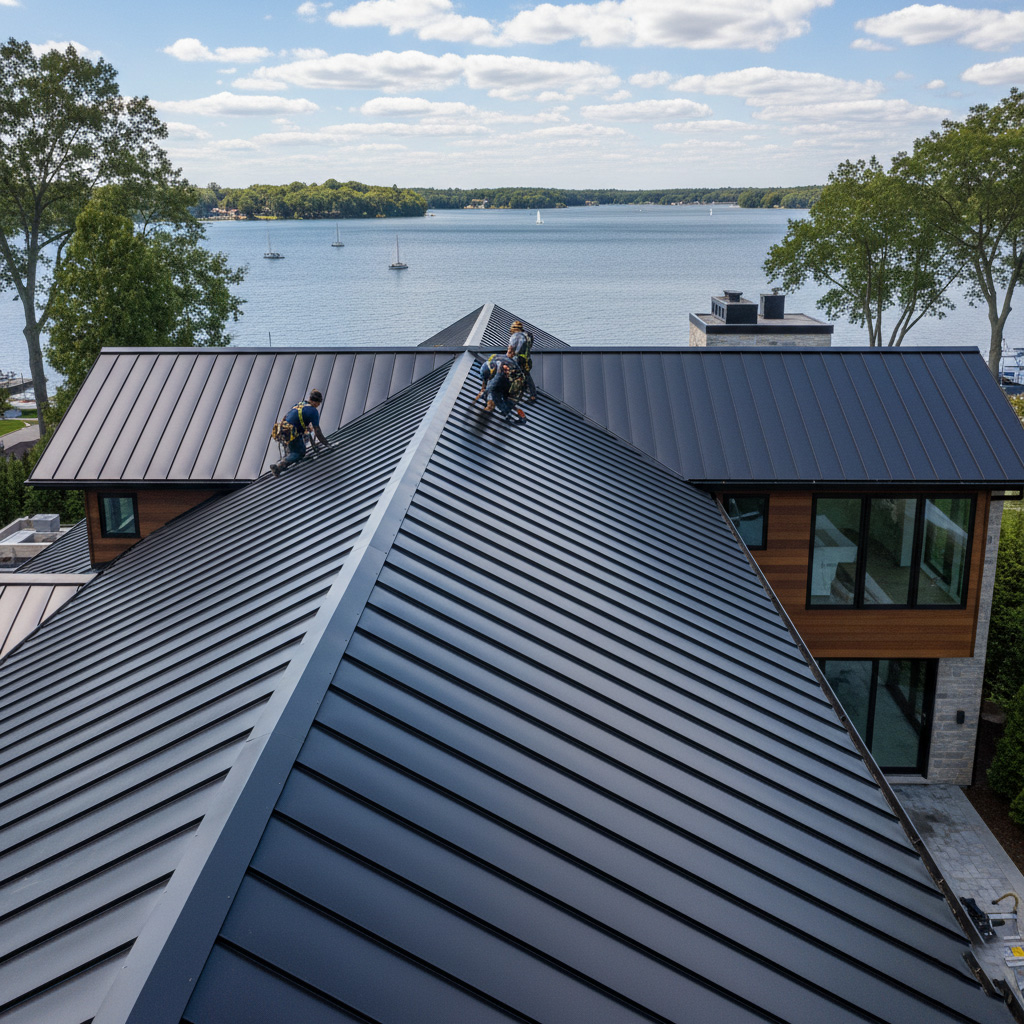
Case Study: Saving a Glendale Family $15K on Unnecessary Roof Replacement
Meet the Lopez family in Glendale. After a savage monsoon dumped inches of rain overnight, they spotted granule loss on their asphalt shingles and a few loose flashing edges. Panic set in – they figured a full roof tear-off was inevitable, quoting $20K from a pushy contractor.
Smart move: they paused and ran our pre-inspection checklist first. No pooling water. Gutters clear. No interior leaks. Just surface wear from years of brutal UV pounding.
- Checked attic for daylight spots: none.
- Tested for soft spots underfoot: solid.
- Scanned for rust on metal vents: clean.
Our inspector arrived and confirmed it. The "damage" was mostly cosmetic – normal aging accelerated by Glendale's sun. They sealed a few spots and reinforced flashing for $5K total. Boom. $15K saved. No new roof needed for another five years.
Red Flags During Inspection: Questions to Ask and Costs to Avoid
Spot these during your inspection, and push back hard. A good roofer explains everything clearly. Shady ones dodge details or upsell aggressively.
Questions That Expose the Truth
- Can you show me the exact damage spots with photos or video from the roof?
- What's the remaining lifespan of my shingles based on what you see?
- Why not just spot repairs instead of full replacement, and what's the cost breakdown?
- Have you checked under the shingles for rot or decking issues?
Avoid knee-jerk yeses to these. Jot notes. Demand written estimates before signing.
Costs That Scream Rip-Off
Full tear-offs run $10K-plus in Glendale. Skip if your decking's solid.
- Premium underlayment upsells: Basic ice-and-water shield works fine for monsoons.
- Unneeded ventilation add-ons: $2K extra, often pointless.
- Flashy color matches: Stick to standard, save $1K easy.
Final Words: Empower Your Roof Inspection for Long-Term Savings
Armed with this truth, you walk into your next roof inspection like a boss. No more guessing games. Spot the fakes, demand proof, and watch your savings stack up.
Think long-term. A smart inspection today dodges disasters tomorrow. Glendale roofs last longer when you call the bluffs early.
Quick Action Plan
- Grab binoculars. Scan for those 5 signs we covered.
- Prep your checklist. Note every question for the inspector.
- Schedule now. Beat the next monsoon rush.
One call changes everything. Your wallet thanks you.
People Also Ask
What should I check on my roof before a professional inspection in Glendale?
Start by scanning for visible issues like missing shingles, cracked flashing, or granule loss from extreme sun exposure common in Glendale. Check gutters for excessive debris buildup from monsoons and look for dark streaks indicating algae or moss growth. These simple checks help you spot obvious problems and prepare informed questions for your inspector.
How often do roofs in Glendale AZ need inspections?
Glendale homes should get roof inspections annually due to intense UV rays and monsoon damage, with additional checks after major storms. For tile or asphalt roofs prevalent here, bi-annual inspections prevent small issues from escalating. Professional evaluations ensure longevity and avoid costly surprises.
What are the most common signs of roof damage in Glendale?
Look for curled or buckling shingles from relentless Arizona sun, loose tiles from high winds, and interior leaks from monsoon saturation. Granule loss in gutters signals accelerated wear, while soft spots on ceilings indicate hidden water damage. Early detection through self-checks saves thousands on repairs.
Can I save money by skipping a professional roof inspection in Glendale?
Skipping inspections risks missing hidden damage from Glendale's climate, leading to expensive full replacements instead of targeted fixes. A thorough professional check identifies non-urgent issues, potentially saving thousands like in cases avoiding unnecessary $15K overhauls. It's a smart investment for long-term roof health.
How much does a roof inspection cost in Glendale AZ?
Basic roof inspections in Glendale typically range from $150 to $400, depending on roof size and accessibility. Many local roofing companies offer free inspections with repair quotes to attract customers. This upfront cost often uncovers savings by preventing major future expenses.

Glendale Roofing provides expert roofing services to the Glendale, AZ community. With extensive experience in installations, repairs, and maintenance, the team addresses the unique demands of the local desert climate. Focused on quality workmanship, Glendale Roofing delivers reliable solutions for homes and businesses throughout the area.
Need Roofing?
Rapid roof repairs and replacements delivering lasting home protection in Glendale, AZ and nearby areas (85301, 85302, 85304, 85306, 85308).
Get Roof Quote