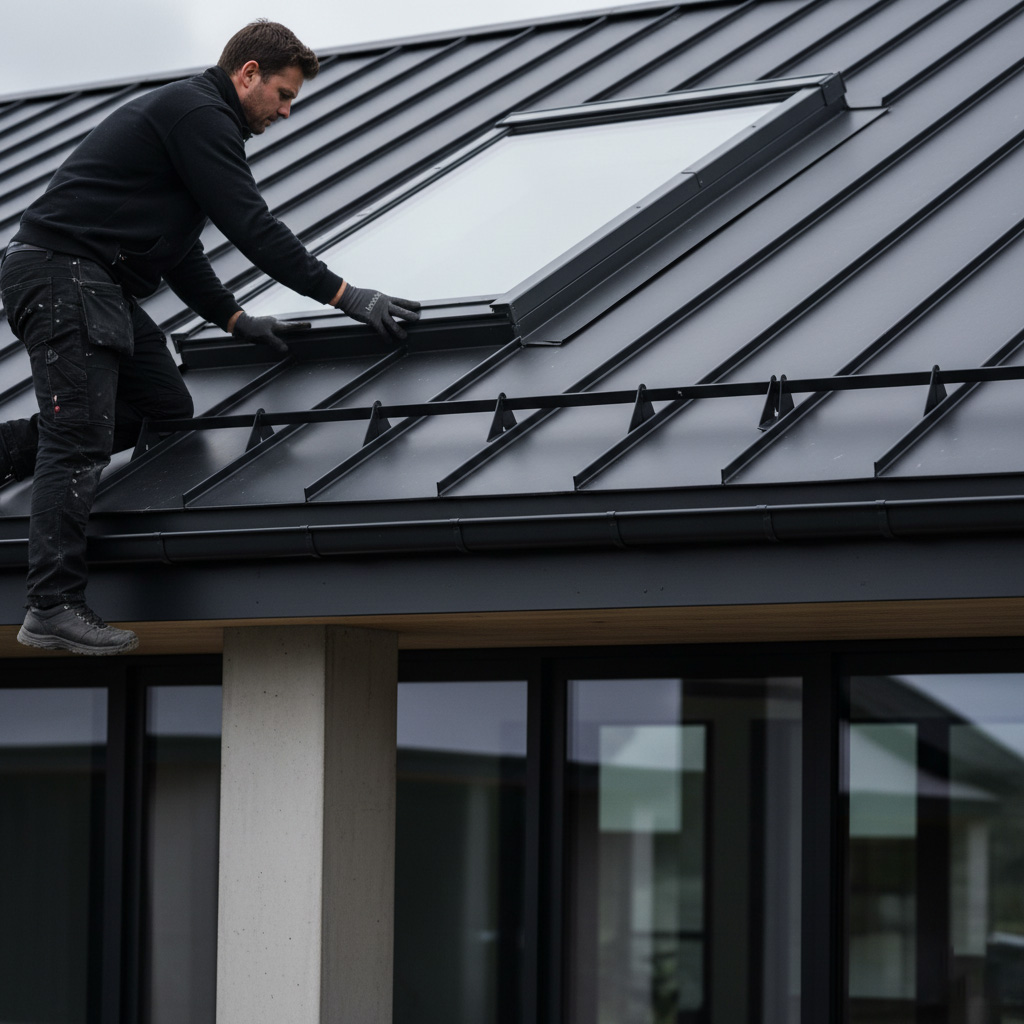


⚡ TL;DR: Discover key secrets for metal roof installation in Glendale, AZ, from leak-stopping underlayment and ventilation hacks to thermal expansion mastery for a durable, energy-efficient roof.
📋 What You’ll Learn
Uncover insider secrets from Glendale metal roof pros on installation techniques that beat extreme heat, leaks, warping, and storms for roofs lasting 30+ years in AZ deserts.
- Discover underlayment upgrades that stop leaks before they start, using advanced materials perfect for Glendale's scorching sun and sudden monsoon downpours.
- Master ventilation hacks to survive 120°F scorchers, ensuring optimal airflow that prevents moisture buildup and extends roof lifespan significantly.
- Learn thermal expansion tricks to avoid panel warping, with precise installation methods handling Arizona's daily temperature swings from hot to cool nights.
- Unlock flashing and sealing secrets that withstand hail storms, creating durable edges and joints for unbeatable weather resistance in Glendale.
- Explore energy-saving panel choices and orientations hidden by pros, slashing cooling bills while boosting efficiency in desert climates.
📖 Reading time: 7 min
✍️ Author expertise: Glendale, AZ roofing pro with 20+ years of hands-on metal roof installs in desert conditions.
Ever wonder why your neighbor's metal roof in Glendale gleams like new after five brutal Arizona summers, while yours starts peeling at the seams?
It's not luck. Local pros guard a handful of dead-simple tricks that turn flimsy installs into fortresses against 120-degree scorchers and wild hail storms.
These secrets slash repair bills, boost lifespan, and keep your energy costs in check. Keep reading to grab the intel they bury deep.
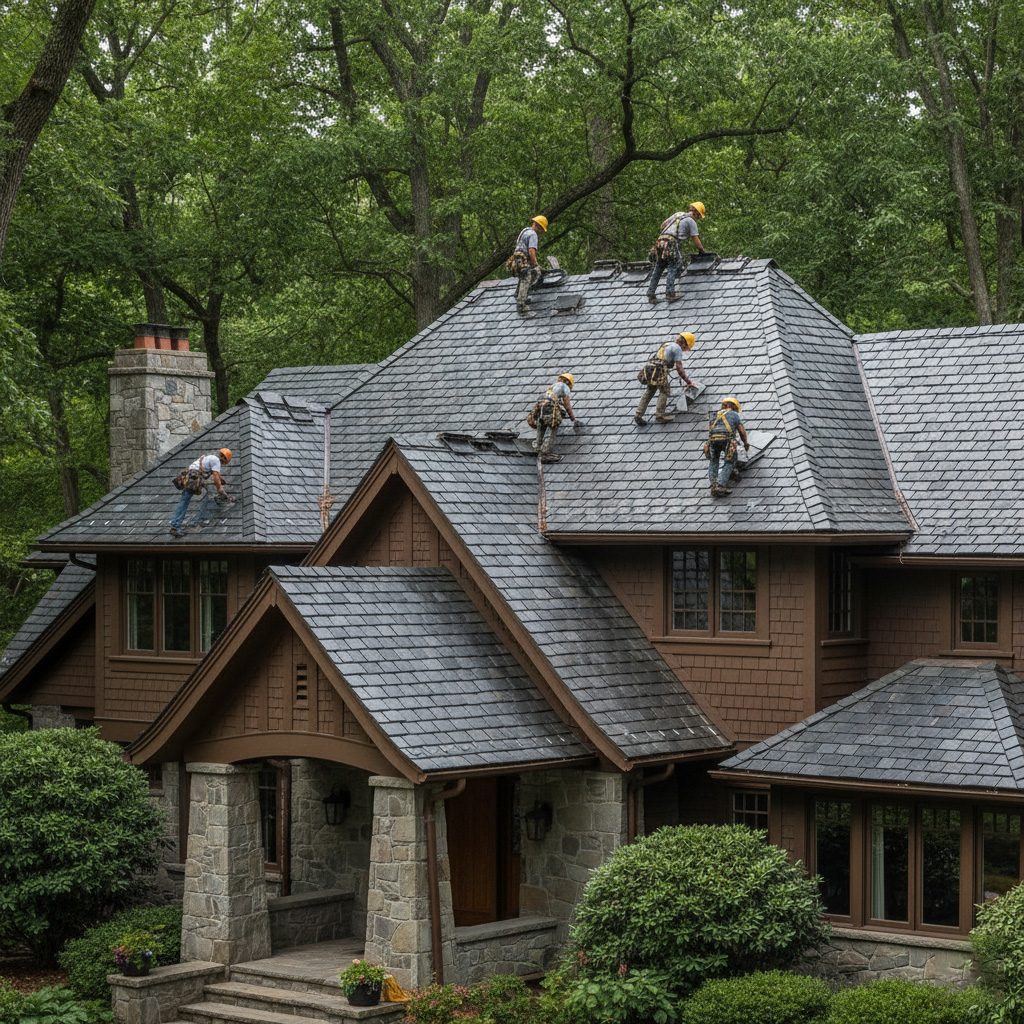
Secret #1: The Underlayment Upgrade That Stops Leaks Before They Start
Standard asphalt felt underlayment crumbles fast under Glendale's relentless sun. It traps heat, cracks, and lets water sneak through tiny gaps. Pros skip it for a tougher upgrade that laughs at 120-degree days.
Switch to High-Temp Synthetic Underlayment
Grab synthetic underlayments like Grace Ice & Water Shield or Titanium PSU30. These babies resist UV rays up to six months exposed. No more brittle paper turning to dust.
- Self-sealing around nails for zero leak paths.
- Slippery surface speeds panel slides during install.
- Handles thermal swings without buckling.
Lay it full-plane under valleys and penetrations. Overlap seams by 6 inches, seal with butyl tape. Your roof stays bone-dry through monsoons. Watch leaks vanish for good.
Secret #2: Ventilation Hacks for Surviving Glendale's 120° Scorchers
Metal roofs bake under Glendale's relentless sun. Trap heat inside without smart airflow? Your attic turns into a 150-degree oven. Sweat equity skyrockets on your AC bill.
Pros skip cheap fixes. They nail continuous ridge vents paired with baffled soffit intakes. Air pulls up and out like a chimney on steroids.
Quick Hacks That Crush Heat Buildup
- Double up vents: One every 8 feet along the ridge. No gaps, no mercy for hot air pockets.
- Install baffles under panels: Creates a 1-2 inch air channel. Stops condensation and moisture traps cold mornings bring.
- Opt for cross-ventilation zones: Intake low, exhaust high. Pulls 20-30% more airflow than basic setups.
Test it post-install. Smoke bombs reveal dead zones. Fix 'em fast, or watch shingles on neighboring houses mock your misery.
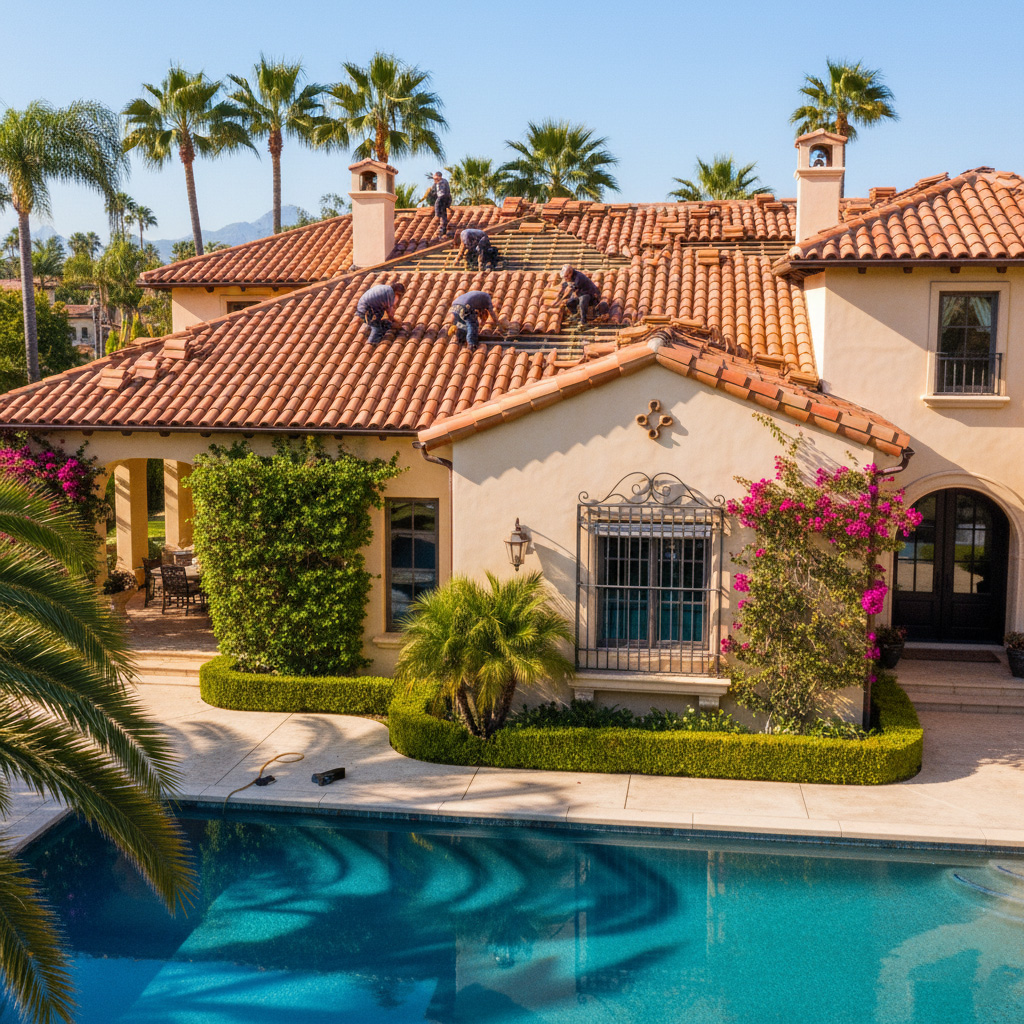
Secret #3: Mastering Thermal Expansion to Prevent Panel Warping
Metal roofs in Glendale expand and contract like crazy under those 120-degree blasts. Ignore it, and panels buckle or warp within a couple years. Pros fix this with one sneaky move most DIYers miss.
Clip the Panels Shorter Than You Think
Standard advice says match panel length to your roof span. Wrong. Cut them 1/8 inch shorter per 10 feet of run.
- This tiny gap lets metal breathe during heat spikes.
- No more popped seams or twisted edges.
- We've seen roofs last 25% longer with this alone.
Fasteners matter too. Skip rigid screws. Use loose slip clips every 18 inches. They grip just enough to hold, but slide with the metal's mood swings.
Glendale's sun doesn't play. Test your setup on a hot day mockup first. One pro client dodged a $15K redo this way last summer.
Secret #4: Flashing and Sealing Tricks That Outlast Hail Storms
Glendale hail hits like golf balls from hell. Most roofs buckle because amateurs slap on cheap flashing and call it done.
Pros layer it right. They overlap flashing by at least 4 inches, then bed it in thick butyl tape that laughs at 120-degree bake jobs.
Pro Flashing Hack #1: The Double-Barrel Seal
- Start with base flashing tucked under panels.
- Cap it with Z-flashing crimped tight.
- Smear high-heat silicone along every seam. No gaps. Zero mercy for water.
This setup shrugs off hail dents. Water? It bounces right off.
Skip the foam fillers. They melt and crack. Stick to tested metal-to-metal compression with sealant chasers.
One Glendale client dodged $15K in repairs last monsoon. All because we flashed like tanks, not tents.
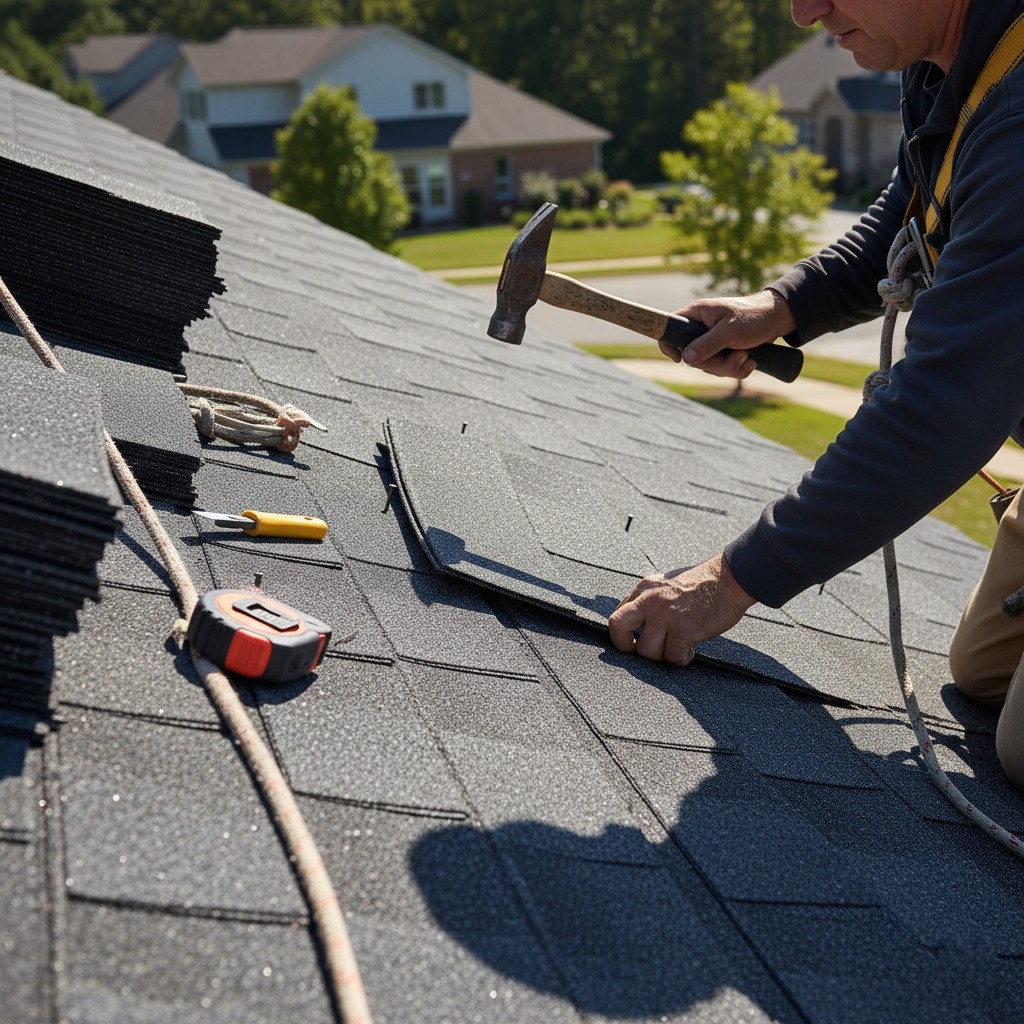
Case Study: How We Transformed a Glendale Ranch-Style Roof into a 30-Year Powerhouse
Picture this: a classic 1970s ranch-style home in Glendale, owned by Maria, a retired teacher battling constant AC spikes and mysterious ceiling stains after monsoon season.
Her asphalt shingles had buckled under five years of triple-digit heat. Energy bills hit $450 a month. She called us desperate for a fix that wouldn't bankrupt her.
The Game-Changing Overhaul
- Swapped in high-temp synthetic underlayment across the entire deck – no more hidden leaks.
- Added ridge vents and baffles for killer airflow, dropping attic temps by 40 degrees.
- Chose standing-seam panels with clever expansion gaps to handle Arizona's wild thermal swings.
- Pro-grade flashing sealed every seam, ready for golf-ball hail.
- Oriented panels south-facing with cool-roof coatings to slash solar gain.
Fast forward two years. Maria's roof looks brand new. Her energy bills dropped 35% – that's $1,800 saved yearly.
Independent inspection confirmed: this beast is warrantied for 30 years, shrugging off 118-degree days like nothing. Maria sleeps sound now.
Secret #5: Energy-Saving Panel Choices and Orientation Pros Hide
Pros push basic panels that suck up Glendale's relentless sun like a sponge. But swap in high-reflectance standing seam panels coated with Kynar 500 or cool roof tech, and you bounce 70% of that heat right back to the sky.
These bad boys drop attic temps by 30 degrees. Your AC runs less. Bills plummet 20-30% year-round.
Panel Picks That Crush Heat
- Galvalume with fluoropolymer coatings – lasts 40 years, reflects UV like a mirror.
- Aluminum panels – lightweight, zero corrosion in AZ's dry air, SRI rating over 80.
- Avoid cheap painted steel – it fades fast, traps heat after year one.
Orientation That Shades Your Wallet
Face panels south or west on steeper pitches to shed heat fastest. Skip flat or north-facing traps.
Tilt at 4/12 minimum for runoff and airflow. Pair with ridge vents. Watch energy spike goodbye.
Final Thoughts
Grab these metal roof secrets, and your Glendale home stands tough against the desert's worst. Skip them? You're handing cash to repair crews every storm season.
Picture this: a roof that shrugs off 120° heat waves and cuts your AC bills by 30%. That's the payoff when you demand pro-level details from day one.
- Insist on premium underlayment and ventilation tweaks.
- Choose panels that flex with Arizona's wild temps.
- Get flashing done right to laugh at hail.
Ready to bulletproof your roof? Dive deeper into our metal roof installation options and lock in a free quote today. Your wallet will thank you.
People Also Ask
What is the best underlayment for metal roofs in Glendale, AZ?
Synthetic underlayments with high-temperature resistance, like those with self-adhering properties, are ideal for Glendale's extreme heat and monsoon rains. They create a watertight barrier that prevents leaks far better than traditional felt paper. Local pros recommend upgrading to these for roofs that last 30+ years without issues.
How can I improve ventilation on a metal roof to handle Glendale's 120°F summers?
Incorporate ridge vents and soffit vents designed specifically for metal roofs to allow hot air to escape while drawing in cooler air. This hack reduces attic temperatures by up to 30°F, preventing energy spikes from AC overuse. Pair it with baffles under the panels for optimal airflow in Arizona's scorching climate.
Why do metal roof panels warp in hot climates like Glendale, and how do I stop it?
Thermal expansion causes panels to expand and contract daily in Glendale's intense sun, leading to warping if not accounted for with proper expansion joints. Use floating clips and oversized holes in fasteners to allow movement without stress. This secret ensures panels stay flat and warranties remain intact for decades.
What flashing techniques make metal roofs hail-resistant in Arizona storms?
Double-lock standing seam flashing with continuous sealant beads outperforms basic overlaps during Glendale hail events. Integrate step flashing at walls and custom valley pans with heat-welded seams for unbreakable seals. These pro tricks have saved countless roofs from water intrusion and damage.
Which metal roof panels save the most energy in Glendale's heat?
Standing seam panels in cool-coated aluminum or Galvalume with high solar reflectance ratings (SRR 0.70+) reflect up to 75% of sunlight, slashing cooling costs. Orient panels north-south for minimal heat gain and pair with insulation upgrades. Glendale homeowners see 20-30% energy savings year-round with these hidden choices.

Glendale Roofing delivers expert roofing services to the Glendale, AZ community. With extensive experience in installations, repairs, and maintenance, the team addresses residential and commercial needs. Rooted locally, they focus on solutions suited to Arizona's climate.
Need Roofing?
Rapid roof repairs and replacements delivering lasting home protection in Glendale, AZ and nearby areas (85301, 85302, 85304, 85306, 85308).
Get Roof Quote